
What Is Digital Marketing? Key Types, Channels & Advantages

Learn what digital marketing is, its key types and channels like SEO, paid ads, and email, plus why it matters for businesses of all sizes.

Antony

September 18, 2025

Table of Contents

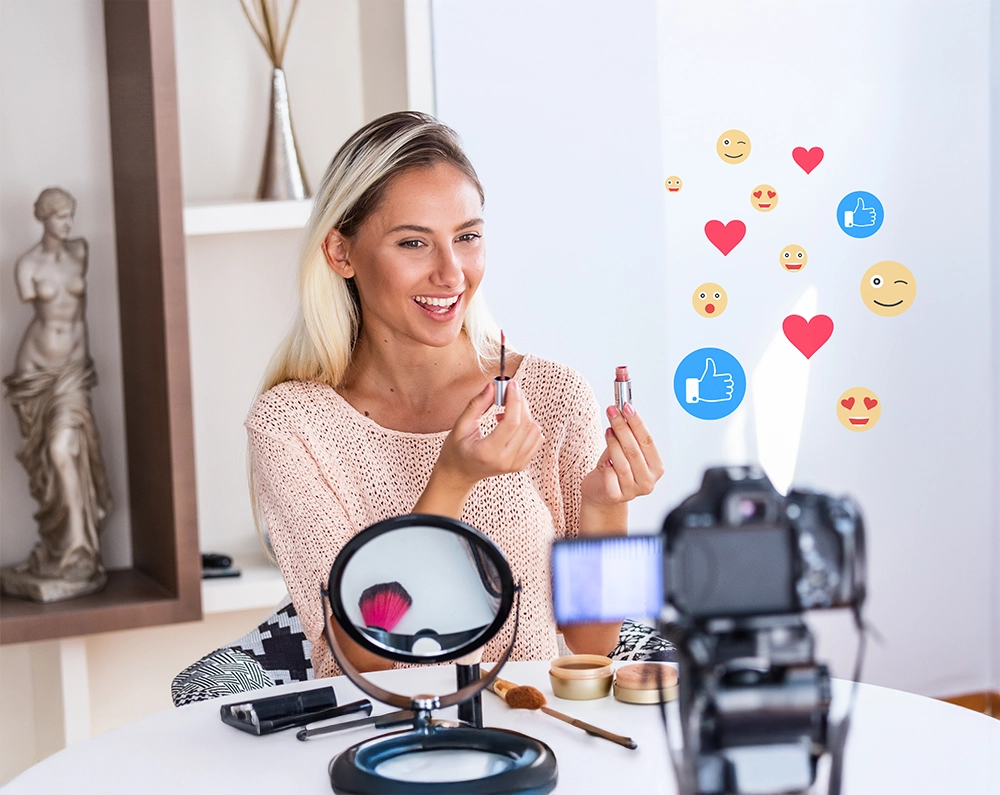
These days, everyone—your customers, friends, a random passerby—lives online. They’re scrolling, searching, tapping on ads, and binge‑watching videos they didn’t plan to watch, all thanks to digital marketing.

What is digital marketing?

It is the practice of promoting your brand’s products/services using digital channels like websites, search engines, social media, email, and mobile apps, where consumers interact via technology.
It is highly interactive and measurable, pinpointing who you’re reaching, where, and their interests so that you can adjust campaigns instantly based on real-time data.
That means marketing becomes smarter, more targeted, and adaptable—and you can see exactly what’s working and tweak what isn’t as you go.
Read on to uncover the key benefits, channels, and strategies.

Alright, let’s get this part out of the way: Defining digital marketing

At its core, digital marketing is marketing done on the internet to elevate your brand, drive traffic, and convert visitors into customers.
That includes:
If it’s online and has a purpose—to get someone to notice, remember, or buy from a business—it falls under digital media marketing.

It tracks user interactions more cleanly, gives you a deeper view of behavior, and is much better suited for how people use websites and apps today, jumping between devices, switching platforms mid-session, all that modern chaos.

No fancy definition needed. Just know that if you’re using the internet to promote or grow something, congrats—you’re in the digital marketing business.

Why businesses—big and small—care about digital marketing

Let’s say you run a small clothing brand out of Austin, or you’re a personal trainer in Tampa. You’ve got good word-of-mouth and some referrals. But growth often feels unpredictable and sluggish.
Here’s where digital marketing changes the game:

1. Your customers are already online

Checking reviews, reading Reddit threads, asking strangers on TikTok for recommendations. Digital marketing ensures you’re part of these conversations and easily discoverable.

2. You can start small (and cheap)

You don’t need a $50k budget. You can run Facebook ads for $5 a day. Write a blog post. Shoot a reel with your phone. It’s not about the money—it’s about crafting the right message.

3. It’s trackable

Unlike billboards or flyers, you actually know who saw your stuff, who clicked, who bought. Data’s not everything, but it’s better than guessing.

4. You control the narrative

With your own content, ads, and online presence—you’re not just waiting for someone to discover you. You’re actively cultivating brand awareness and nurturing customer loyalty.
This is why even brick-and-mortar stores are hiring someone (or an online marketing agency) to help them stay visible. Because not being online is the new “not open”.

Main types of digital marketing

There’s no one-size-fits-all formula. Some brands live and breathe Instagram. Others swear by email. The best approach? Figure out what works for your audience and do more of that.
Here’s a breakdown of the common channels you’ll hear about—and what they’re good for.

1. SEO (Search Engine Optimization)

This is the long game. You optimize your website, write helpful content, and try to show up when someone Googles something like “best tax consultant near me” or “how to fix a slow laptop.”
It’s not instant. But once you start ranking, that traffic comes in for free.
For sustained performance, keep up with algorithm updates, invest in quality backlinks and content indexing (e.g., alt text, transcripts). Best for: Businesses with a website, blog, or info-heavy product

2. Paid Search (Google Ads)

The shortcut to visibility. You run a targeted ad, pay when someone clicks. It can get you leads within hours—especially for service-based businesses.
But yes, it’s easy to waste money if you don’t know what you’re doing. (Which is why people often bring in a pro or a smart online marketing agency.)
Best for: Local services, high-intent offers, time-sensitive campaigns

3. Social Media Marketing

Instagram, Facebook, TikTok, LinkedIn—each one has its vibe. The trick isn’t being everywhere—it’s being where your people hang out.
Don’t just post and ghost. Be real and talk like a human. Nobody follows a brand just to be sold to.
Best for: DTC brands, creators, lifestyle products

4. Email Marketing

Send periodic newsletters, drip campaigns, offers, or personalization-based content directly to subscribers’ inboxes.
People will read emails—if they’re not boring or spammy.
Use segmentation, personalization, and automation for tailored, timely engagement.
Best for: Ecommerce, personal brands, SaaS, B2B

5. Content Marketing

You’re doing it right now by reading this blog post. Content builds trust. It helps before it sells. It brings people to you.

Could be blog posts, videos, podcasts, case studies—whatever suits your voice and format.

Best for: Long-term growth, expert positioning, SEO support

6. Influencer & Affiliate Marketing

Someone else promotes your product, takes a cut, and brings in traffic or sales. You don’t pay unless it works.

They build social proof and can outperform traditional ads—especially when delivered by micro‑influencers with niche, deeply engaged followings.

Best for: DTC products, startups, brands with low marketing overhead

Building a smart digital marketing strategy (without overthinking it)

You don’t need a 40-slide deck to get started. Here’s how to think about building a digital marketing strategy that’s actually useful.

Step 1: Know your people

Not just “women, 25–40”. Go deeper. What apps do they use? What are they googling at 2 AM? What annoys them about your competitors?

Write this down. Get specific. If you try to talk to everyone, you’ll connect with no one. 

Step 2: Choose your main channels

Set clear goals (brand awareness, leads, retention), and KPIs (conversion rate, ROI, keyword ranking, etc.) for channels.Don’t try to conquer everything in one go 

Master one or two. Then expand.

Step 3: Create real content

No stock photos. No jargon. Show your face. Share actual stories. If someone commented, reply. If a post tanked, try again. Nobody gets it perfect from day one.

Step 4: Track, tweak, repeat

See what’s working. Kill what’s not. Tools like Google Analytics, Meta Business Suite, and Mailchimp reports help. You don’t need to be a numbers person—just curious.

A few digital marketing examples (fictional wins for your understanding)

Let’s keep this grounded with some simple stories. Because again, it’s not always viral campaigns and fancy budgets.

Example 1: Local Coffee Shop → Instagram Stories

A coffee shop in Denver starts posting casual behind-the-scenes clips on Instagram—brewing, playlist of the day, staff jokes. Nothing overproduced. But it builds a loyal local following. DMs turn into orders. Offline buzz turns into online love.

Example 2: Freelance Consultant → LinkedIn Posts

A solo HR consultant in New York posts 3x a week—short posts about job interviews, hiring mistakes, and weird client stories (with names removed, obviously). Inbound leads go up 4x in three months. No ads. Just writing that sounded human.

Example 3: Etsy Shop → Email Newsletter

A handmade jewelry seller sends biweekly emails—not just promos, but care tips, customer features, even pet photos. Subscribers won’t just stay—they start forwarding the emails. Sales spike. The brand starts feeling personal.

This is digital marketing with examples that work through consistent, thoughtful effort.

Do you need an online marketing agency?

If you have the time and curiosity to learn, you can DIY a lot of this.

But if you’re running a business and juggling 500 other things, sometimes it’s smart to call in the pros. A good online marketing agency brings:

Final thoughts 

Digital marketing isn’t about being everywhere, doing everything, or chasing the newest trends.

It’s about showing up where your people are, consistently, in a way that feels real. The tools? They’ll change. The platforms? They’ll evolve. But if you understand your audience and speak their language—you’ll be fine.

So, whether you’re a side hustler, a solo entrepreneur, a growing brand, or someone just starting to explore the space—start small. Test things. Stay curious. Adjust fast.

Need help putting together your first digital marketing strategy ? Or thinking of outsourcing it altogether? Find an online marketing agency that listens before they pitch. That’s usually a good sign.

Or just start. Honestly, that’s always the best first step.
Get Your Free SEO Audit Now!

    Recent Posts

    How to Optimize Google My Business Profile in 2025
    Learn how to improve brand awareness with SEO. Discover strategies to build trust, boost visibility, and strengthen your brand through smart SEO practices.
    How to Improve Brand Awareness with SEO (Beyond Rankings)
    Learn how to improve brand awareness with SEO. Discover strategies to build trust, boost visibility, and strengthen your brand through smart SEO practices.
    What Is Influencer Marketing & How It Works?
    Learn what influencer marketing is, how it works, and how brands use influencer advertising to drive real engagement and measurable growth in 2025.

    Follow Us

    How to Optimize Google My Business Profile in 2025
    Learn how to improve brand awareness with SEO. Discover strategies to build trust, boost visibility, and strengthen your brand through smart SEO practices.
    Improve-Brand-Awareness-Thumbnail
    How to Improve Brand Awareness with SEO (Beyond Rankings)
    Learn how to improve brand awareness with SEO. Discover strategies to build trust, boost visibility, and strengthen your brand through smart SEO practices.
    Influencer Marketing Thumbnail
    What Is Influencer Marketing & How It Works?
    Learn what influencer marketing is, how it works, and how brands use influencer advertising to drive real engagement and measurable growth in 2025.
    Top

    GENERAL INQUIRIES
    [email protected]

    SOCIAL MEDIA

    Ready to 10X Sales & Leads? Let’s Kompete.